
MVA Rehabilitation
Home » MVA Rehabilitation
MVA Rehabilitation Counselling in Ontario
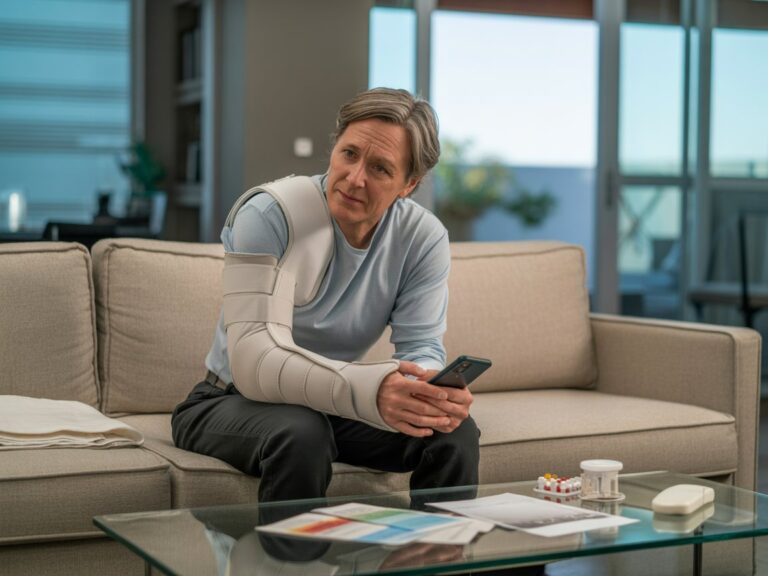
Motor vehicle accidents can have a lasting impact — not just physically, but emotionally and mentally as well. MVA rehabilitation counselling provides structured support to help you process the experience, manage stress, and regain a sense of stability after an accident.
Whether you are dealing with anxiety, trauma, fear of driving, or emotional distress following a collision, counselling can play an important role in your overall recovery. The goal is to help you move forward with confidence while addressing the psychological effects that often go unnoticed.
“Recovery isn’t just physical — it’s emotional too. You can regain control, confidence, and stability again.”
What Is MVA Rehabilitation Counselling?
Supporting Your Emotional Recovery After an Accident
MVA rehabilitation counselling focuses on helping individuals recover from the emotional and psychological impact of a motor vehicle accident. While physical injuries are often addressed immediately, the mental effects — such as anxiety, fear, or trauma — can develop over time if left untreated.
This type of counselling provides a safe and structured space to process what happened, understand your reactions, and develop strategies to cope with stress and emotional challenges. Many individuals experience symptoms such as difficulty sleeping, heightened anxiety, or avoidance of driving after an accident.
Through consistent support, clients are able to regain a sense of control, reduce emotional distress, and gradually return to their normal routines.
What We Help With in MVA Rehabilitation
Comprehensive Support After a Motor Vehicle Accident
MVA rehabilitation counselling addresses a wide range of emotional and psychological challenges that can arise after an accident. Each individual’s experience is different, but many people face similar difficulties during recovery.
Common Areas We Support
Post-Accident Anxiety and Stress
Many individuals feel heightened anxiety after an accident, especially when returning to driving. Counselling helps reduce this anxiety and build confidence gradually.
Trauma and Emotional Distress
Accidents can be traumatic events that leave a lasting emotional impact. Therapy helps process these experiences in a safe and controlled way.
Fear of Driving or Traveling
It is common to develop a fear of driving or even being a passenger after an accident. Counselling helps address this fear step by step.
Sleep Issues and Ongoing Tension
Stress and trauma can affect sleep patterns and overall well-being. Therapy helps manage these symptoms and improve daily functioning.
Mood Changes, Irritability, and Emotional Overload
After an accident, many people experience mood swings or feel overwhelmed. Counselling provides tools to regulate emotions and reduce stress.
Adjustment to Life After Injury or Disruption
Accidents can disrupt routines, work, and personal life. Therapy helps individuals adjust and rebuild stability.
Struggling After an Accident? You Don’t Have to Handle It Alone
Emotional recovery is just as important as physical healing.
How MVA Rehabilitation Counselling Helps
From Trauma to Stability and Confidence
After a motor vehicle accident, many people feel stuck in a cycle of stress, fear, or emotional discomfort. Counselling helps break this cycle by providing structured support and practical tools to manage these reactions.
Through therapy, you’ll learn how to understand your emotional responses, reduce anxiety, and gradually regain confidence in daily activities such as driving or traveling. The process is paced according to your comfort level, ensuring that progress feels manageable rather than overwhelming.
Over time, clients often notice improved emotional balance, reduced fear, and a stronger sense of control over their thoughts and reactions. This makes it easier to return to normal routines and rebuild confidence.
Our Approach to MVA Rehabilitation
Structured, Supportive, and Focused on Real Recovery
MVA rehabilitation counselling is approached with sensitivity and structure. Each session is tailored to your specific experience, ensuring that your concerns are addressed in a way that feels safe and manageable.
The focus is on helping you process the event, understand your reactions, and develop strategies to cope with ongoing challenges. At the same time, sessions are designed to move forward, helping you regain independence and confidence.
This balanced approach ensures that therapy is not just about discussing the accident, but about building a path toward recovery and stability.
How MVA Rehabilitation Works in Ontario
Understanding the Process and Your Access to Care
In Ontario, individuals involved in motor vehicle accidents may be eligible for rehabilitation services through their auto insurance. This can include counselling and therapy as part of your recovery plan.
The process typically involves an assessment of your needs, followed by a structured treatment plan. Therapy sessions are then scheduled based on your goals and progress.
Understanding this process can feel overwhelming, especially while recovering. Guidance is provided to help you navigate therapy as part of your overall rehabilitation plan, ensuring you receive the support you need without unnecessary stress.
Frequently Asked Questions
MVA rehabilitation therapy in Ontario focuses on helping individuals recover from the emotional and psychological effects of a motor vehicle accident. It addresses issues such as anxiety, stress, trauma, and difficulty returning to normal routines. Through structured counselling, individuals learn how to process the experience and develop strategies to regain stability and confidence in their daily lives.
Yes, counselling is highly effective in helping individuals overcome anxiety and fear associated with driving after an accident. Therapy focuses on identifying triggers, reducing avoidance behaviors, and gradually rebuilding confidence. Over time, individuals learn how to manage their reactions and feel more comfortable returning to driving or traveling.
In many cases, auto insurance in Ontario provides coverage for rehabilitation services, including counselling, after a motor vehicle accident. The extent of coverage depends on your policy and the details of your claim. It’s recommended to review your benefits or speak with your insurance provider to understand what is available to you.
The duration of therapy depends on the individual’s symptoms, recovery goals, and response to treatment. Some individuals may benefit from short-term support, while others may require longer-term counselling. Consistency and engagement in the process play a key role in recovery.
After an accident, individuals may experience anxiety, stress, mood changes, sleep disturbances, or difficulty concentrating. Some may also develop symptoms related to trauma, such as heightened alertness or avoidance of driving. These symptoms can vary in intensity and may appear immediately or over time.
Yes, MVA rehabilitation can be very effective in addressing post-traumatic stress symptoms. Therapy helps individuals process the traumatic experience in a safe environment and develop strategies to reduce the impact of triggers. Over time, this can significantly improve emotional stability and overall well-being.
In many cases, a referral may not be required, but this can depend on your insurance provider and treatment plan. It’s best to confirm with your insurance company or rehabilitation coordinator. Support is typically available to help guide you through the process.
Yes, many MVA rehabilitation services are available through online or phone counselling. This allows individuals to access support from home, which can be especially helpful during recovery. Virtual sessions provide the same level of care and effectiveness as in-person therapy.
The first session focuses on understanding your experience, symptoms, and recovery goals. The therapist will assess your needs and begin developing a treatment approach tailored to your situation. It’s also an opportunity for you to ask questions and feel comfortable with the process.
If you are experiencing anxiety, stress, difficulty returning to normal activities, or emotional challenges after an accident, MVA rehabilitation can help. Even if symptoms seem mild, early support can prevent them from becoming more severe over time.
Take the Next Step in Your Recovery
You’ve been through enough — now it’s time to focus on healing and moving forward.
All Services

Book A 15 Minute Free Consultation Call
Speak with Ashley to discuss what you're going through & explore the right next step.